
Lion Cam


Get a glimpse into the lives of Africa’s largest cats.
The live feed you're watching takes you inside the Smithsonian’s National Zoo’s lion habitat. The yard hosts two male lions named Shaka and Jumbe.
Both lions were born right here at the Zoo in 2011. The pair live together as a bachelor coalition, a natural social group that male lions form for survival in the wild.
The Zoo’s Great Cats exhibit features a tiered structure with trees and open yards that give the lions room to explore, hide, and survey their surroundings. To keep the cats healthy and mentally stimulated, staff provide daily training sessions and enrichment activities, including carcass feedings that encourage natural predatory behaviors.
Is that a tiger on the Lion Cam?
Yes! The Great Cats exhibit (home to lions, as well as Sumatran and Amur tigers) consists of three yards that are connected by tunnels below each enclosure. Keepers have the flexibility to move the big cats around these three yards at any time. Moving the animals around is a great way to give them environmental enrichment and can be essential for management practices like breeding, so you may occasionally see a tiger on the Lion Cam.
What's Happening on the Lion Cam?
The Lion Cam takes you inside the Zoo’s Great Cats exhibit. Watch for these common behaviors:
- Sleeping: Believe it or not, lions spend up to 20 hours a day – about 80% of their lives – resting and relaxing. They need plenty of sleep to digest their protein-heavy meals.
- Eating: Lions can eat 10-15 pounds (4.5-6.8 kg) of meat per day. Mealtime often includes large chunks of meat, allowing them to chew, tear, and use their powerful jaw muscles.
- Socializing: Watch for moments when Shaka and Jumbe rub heads, rest side by side, or communicate with roars and growls.
- Playing with enrichment: Keepers provide the lions with enrichment items like balls, scents, and puzzle feeders, giving the lions opportunities to challenge their minds and practice natural hunting or stalking behaviors.
- Swimming: Lions aren’t known for loving water, but they sometimes wade or splash to cool off on warm days.
Looking for even more fun? Download the Animal Cam Bingo Cards and see how many animal behaviors you can spot.
Lion Conservation
Although the Smithsonian National Zoo’s lions are thriving, their wild counterparts are in trouble. Habitat loss and human hunting have significantly reduced their numbers — wild lion populations have declined by about 75% across Africa over the last five decades. Many of the remaining wild lions live in fragmented habitats separated by hundreds or even thousands of miles.
The Smithsonian participates in coordinated breeding programs managed through the Association of Zoos and Aquariums' Species Survival Plan, helping to ensure that species like lions can maintain genetically healthy populations in the future.
Explore More Lion Stories
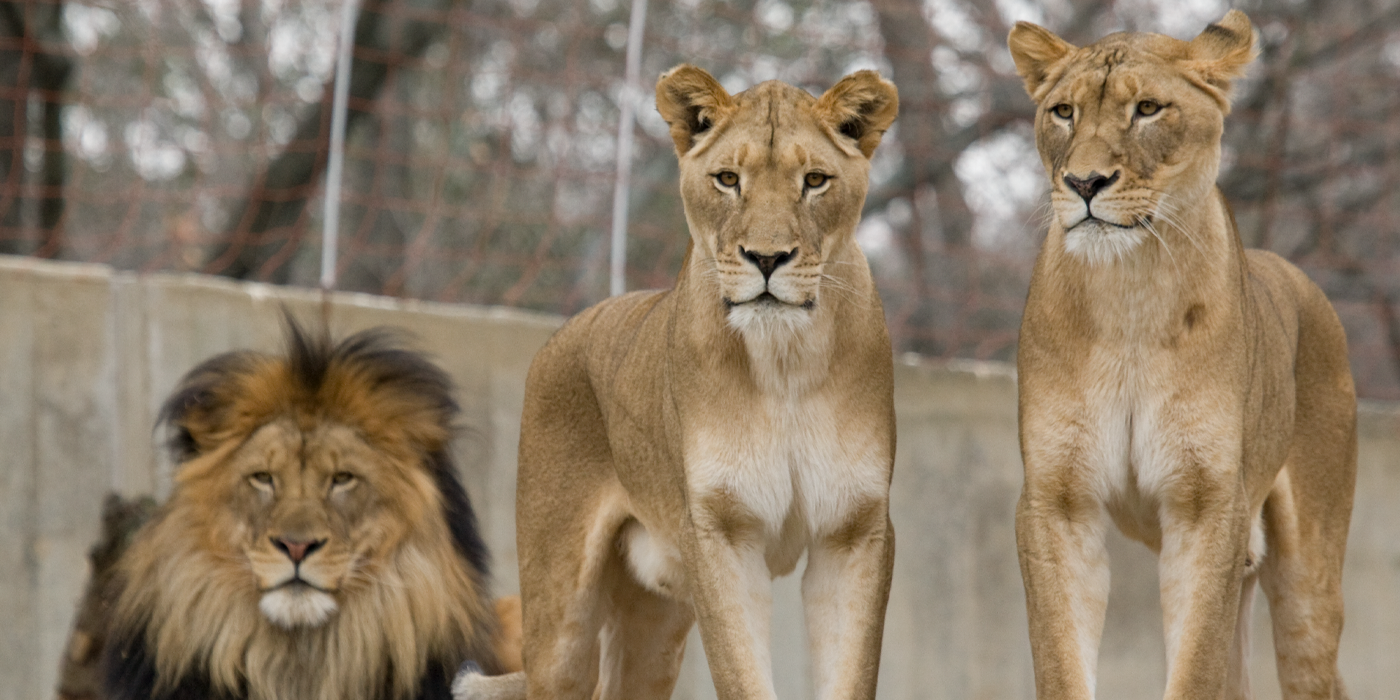
Fun Facts About Lions ›
Few animals are as regarded—and feared—as the largest carnivores of the African savannah. But how much do you really know about lions?
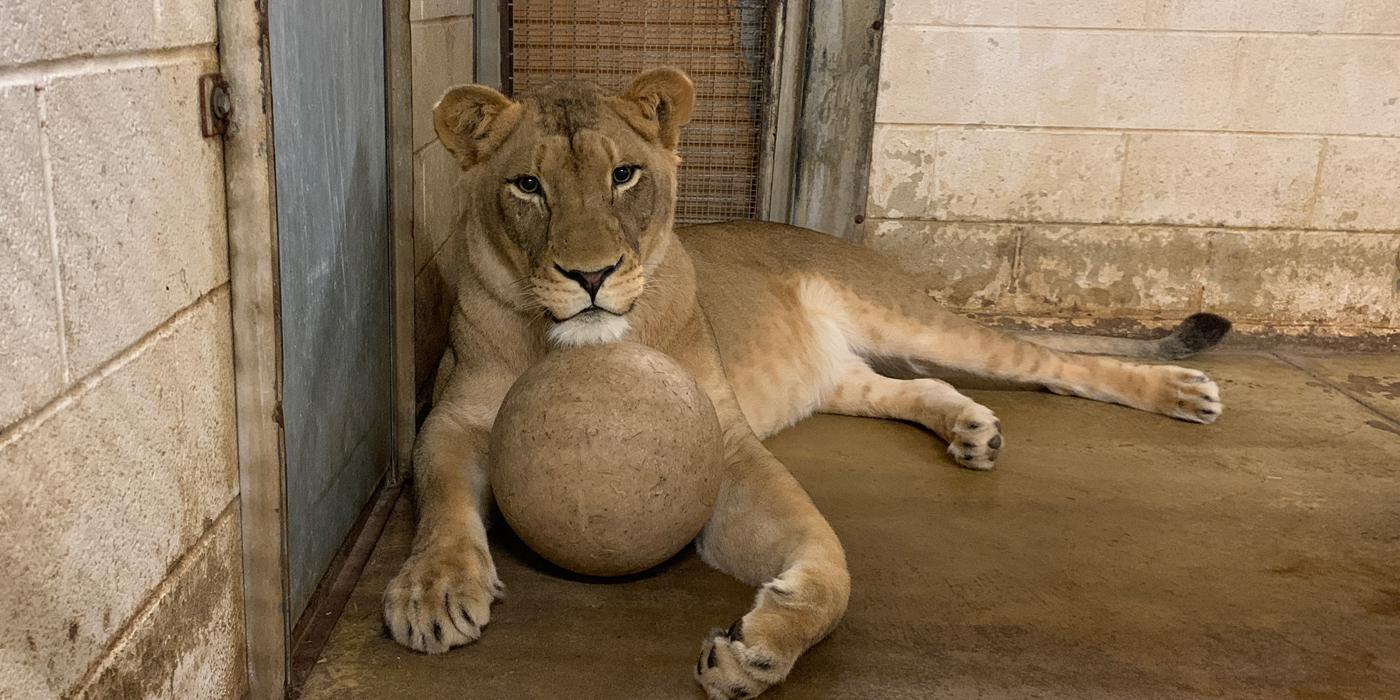
How the Zoo Provides Enrichment for Big Cats ›
Lions, tigers, cheetahs and bobcats – let’s play! Keepers Katy Juliano, Adri Kopp and Amber Dedrick know how to get the big cats they work with pouncing, roaring and purring for enrichment.
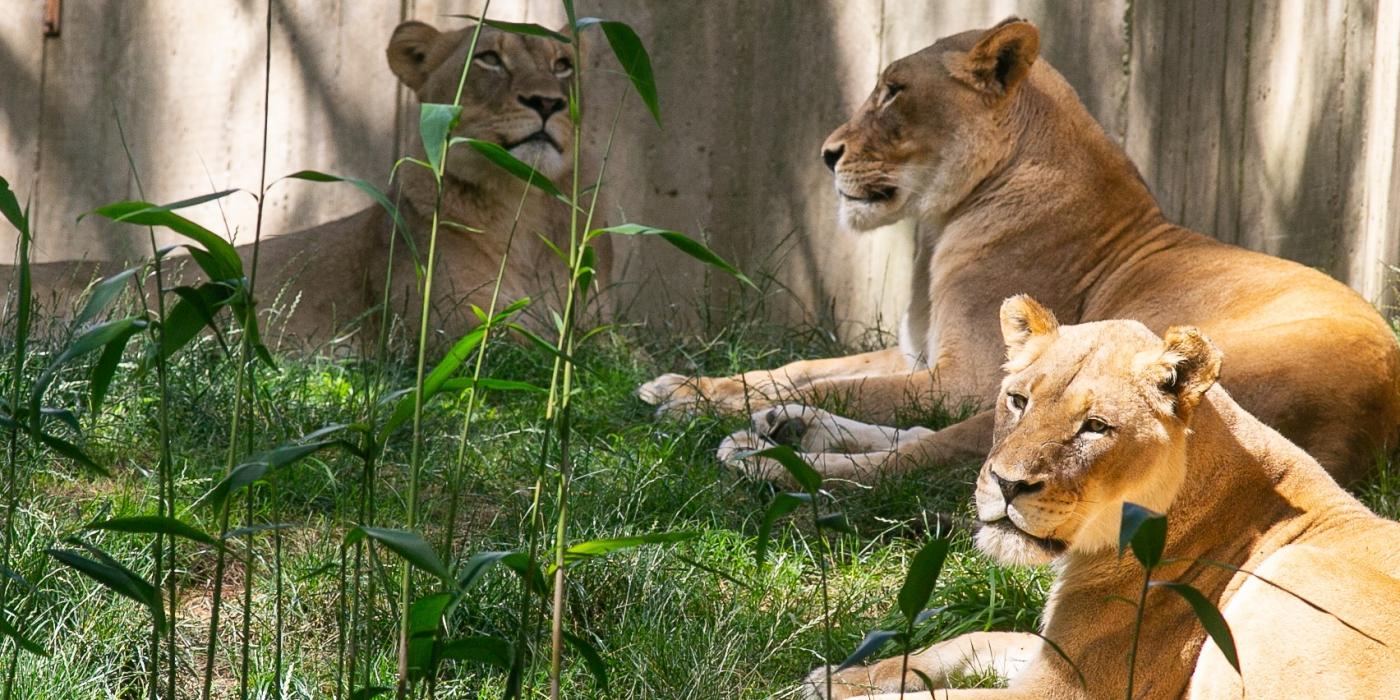
Caring for Aging Lions ›
As animals age, they have more health care needs. Fortunately, our lions are eager to participate in training that helps us care for them!