
Conservation: Saving Wildlife and Habitats Worldwide


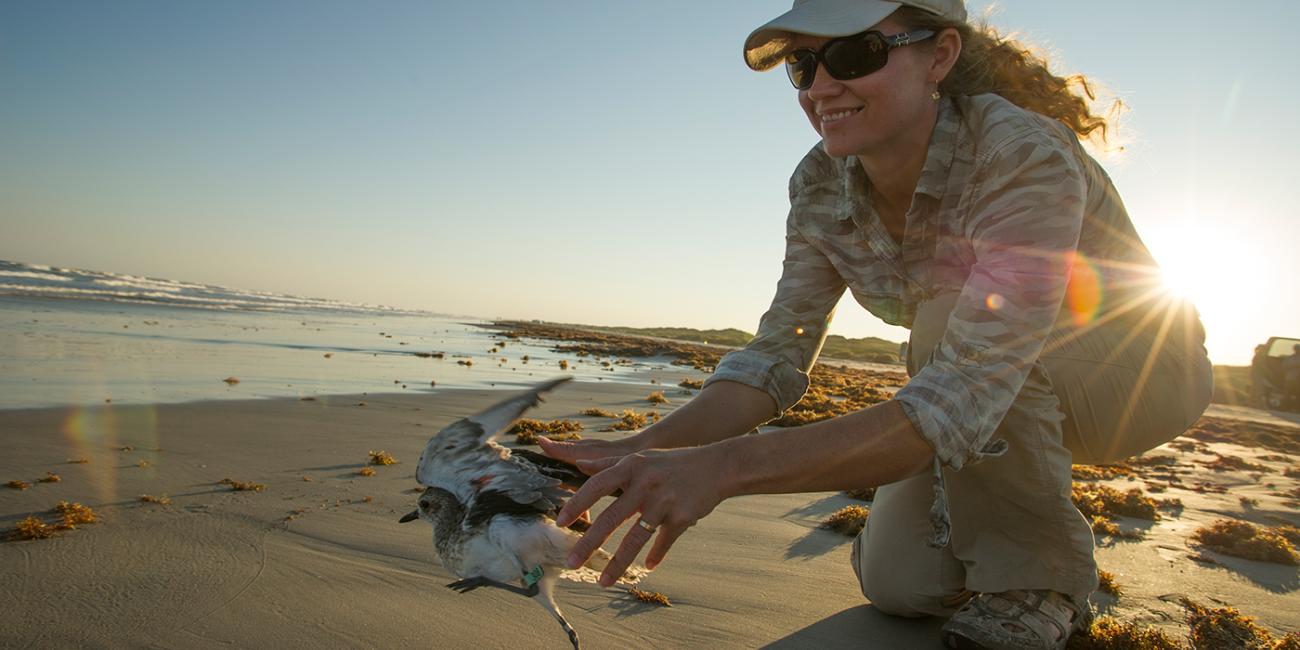

From the Zoo in Washington, D.C., to our research campus in Front Royal, Virginia — and field sites across the globe — the Smithsonian’s National Zoo and Conservation Biology Institute (NZCBI) leads international efforts to save wildlife species from extinction, conserve ecosystems, and train the next generation of conservation scientists and practitioners.
We Save Species and Habitats
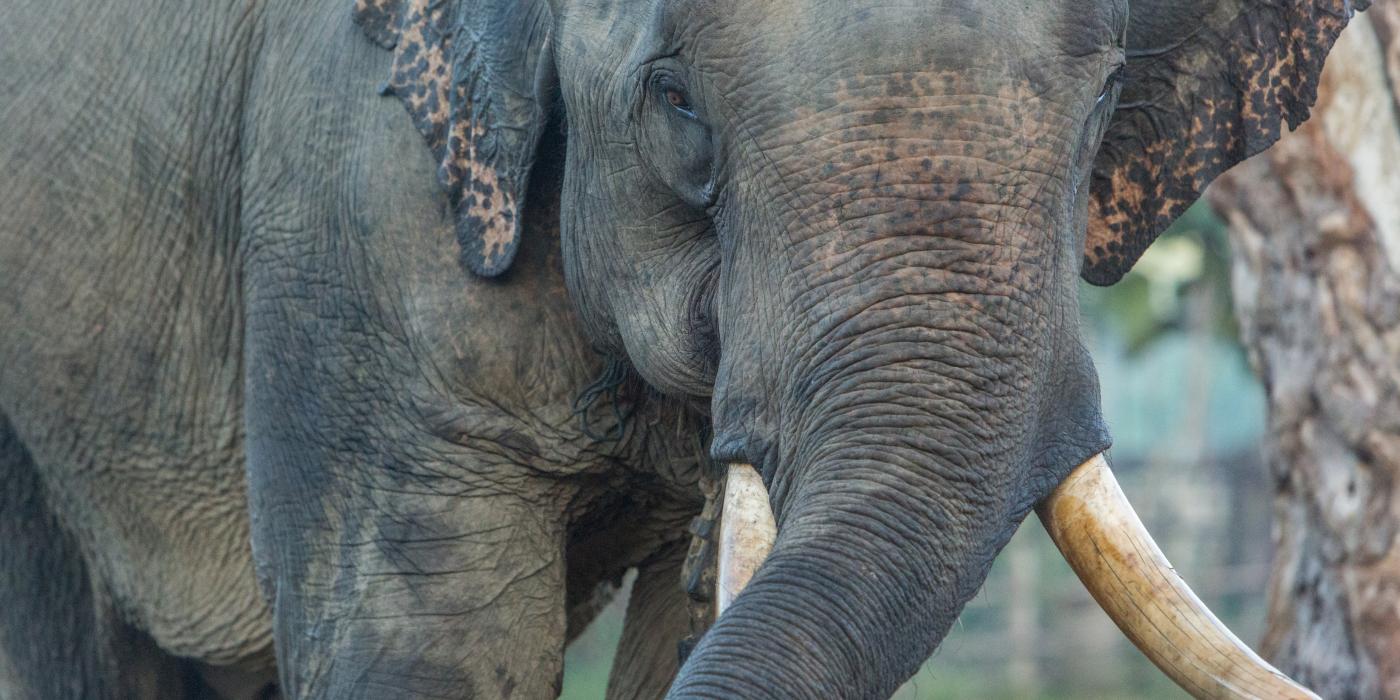
Saving Asian Elephants ›
Smithsonian scientists are advancing elephant care and reproduction at the Zoo while working with partners to protect wild populations in Asia.

Saving Giant Pandas ›
Our researchers are refining techniques to help giant pandas thrive in human care. Their studies also guide habitat restoration in China.

Saving Amphibians ›
In Panama, the Smithsonian operates a conservation center to restore wild amphibian populations while safeguarding them from a deadly disease.
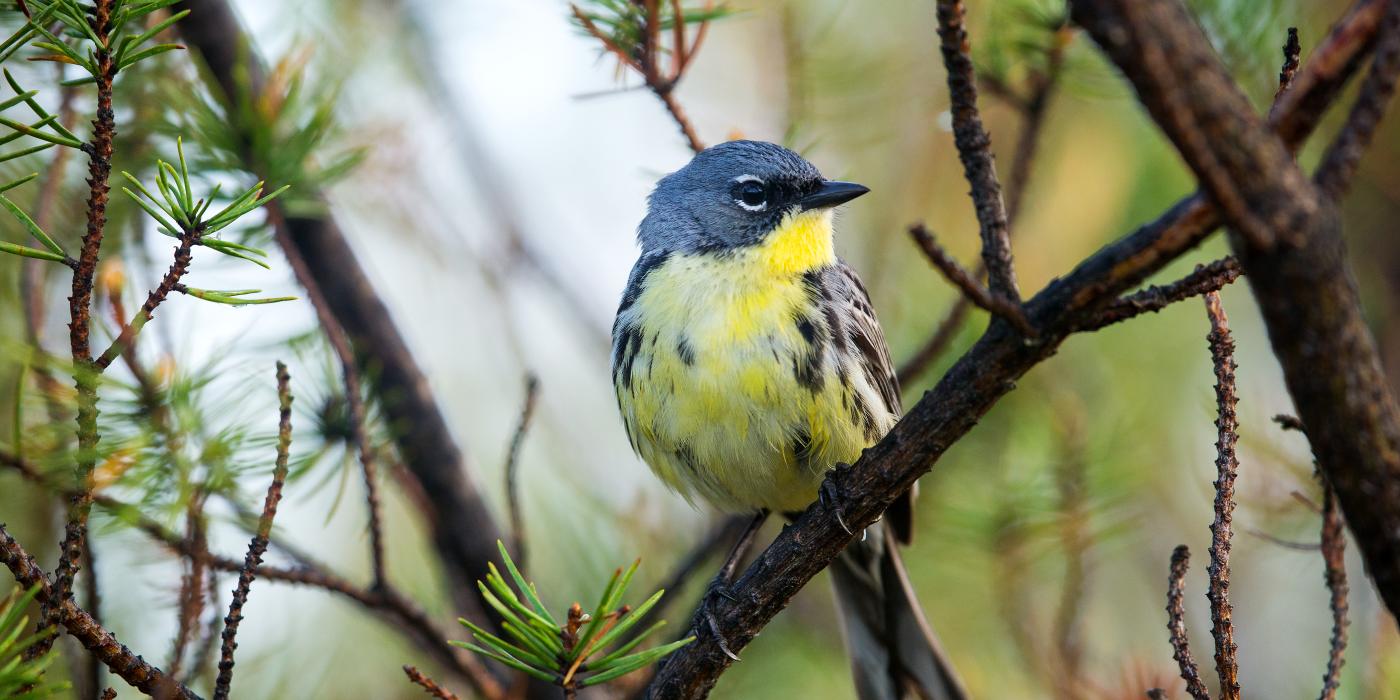
Saving Migratory Birds ›
From Arctic tundras to tropical forests, migratory birds are tightly linked to Earth's ecosystems. Smithsonian researchers are working across hemispheres to raise awareness and protect critical habitats.

Research Centers and Global Programs
Our conservation work extends across five specialized science centers and four international programs, linking Smithsonian researchers with partners worldwide to protect biodiversity.
Latest in Conservation News

Celebrating Vet Tech Week 2026 ›
In celebration of Vet Tech Week, take a sneak peek into a day in the life of our vet techs!

Researchers Crack Amphibian Cold Case Using Museum Specimens ›
New research ties dramatic losses of Brazilian frogs in the 1970s to deadly amphibian chytrid fungus.

How Do You Build a National Conservation Plan? ›
Follow the five-year journey that brought together governments, zoos, and conservation experts to give the lowland tapir a fighting chance.

Cheetah Cam Returns With a New Litter of Five Adorable Cubs ›
Four generations of one cheetah family now live at the Zoo's off-campus research facility. Meet the newest members.

ZooLights Returns Nov. 20 ›
The holiday season will shine brighter when ZooLights returns this November. Tickets on sale now.

Fascinating Facts About North American Porcupines ›
There are plenty of surprises to discover about these prickly creatures.

Watch the Meerkats Play With Halloween Enrichment ›
Seven meerkats got a Halloween-themed surprise from their keepers. See how they dug in.

New Research: Climate Refuges May Be Key To Restoring Amphibians ›
As deadly disease continues to ravage wild frog populations, scientists in Panama found places where amphibians might be able to persist in the presence of disease.

Women in Conservation
Women have been at the forefront of the field of conservation biology at NZCBI for decades. Find out how women have driven discovery and innovation as part of the mission to help protect the world's wildlife.

About SCBI
Founded in 1974 and headquartered in Front Royal, Virginia, the Smithsonian Conservation Biology Institute (SCBI) is a global leader in conservation, from animal reintroductions to genetic and and reproductive science.