
Conservation Classroom: K-5 virtual school programs
What is Conservation Classroom?
Conservation Classroom is a collection of FREE monthly lessons for K-5 students.
Watch the video to learn how to use the collection!
Each monthly lesson has four elements:
Scroll down to 'Upcoming Programs' to register for a live program and explore the resources.
2. Engage
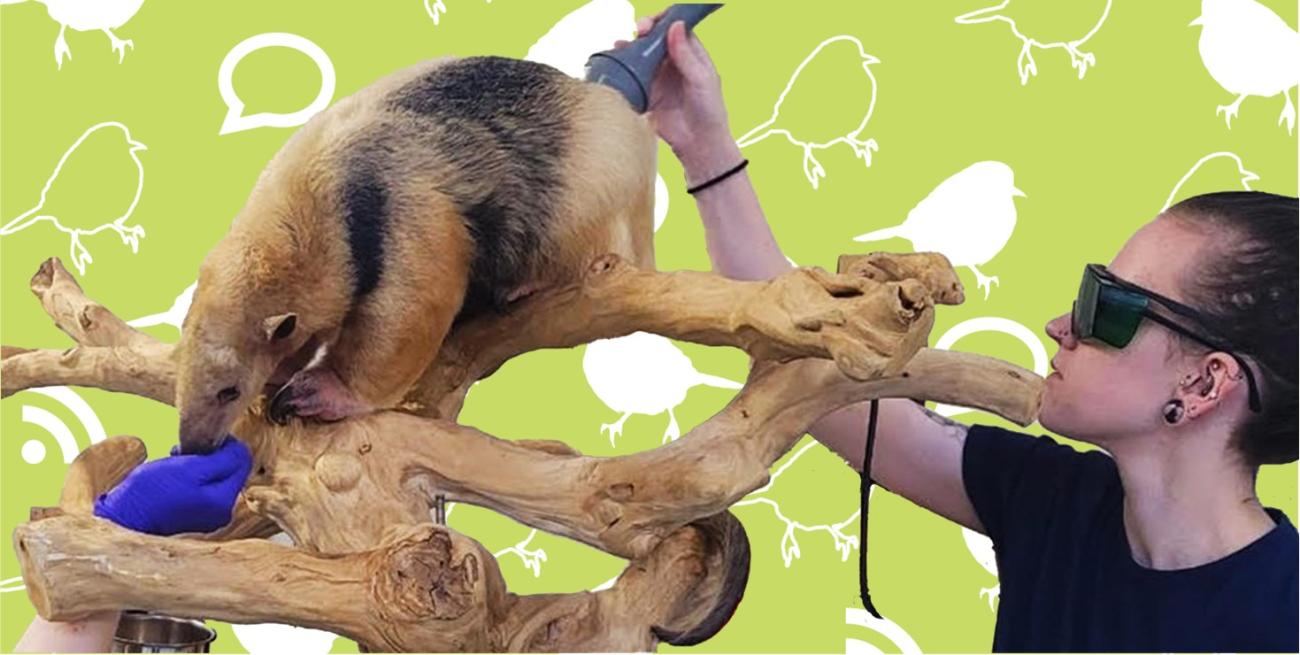
Live, 45-minute virtual programs with a Zoo educator.
3. Act
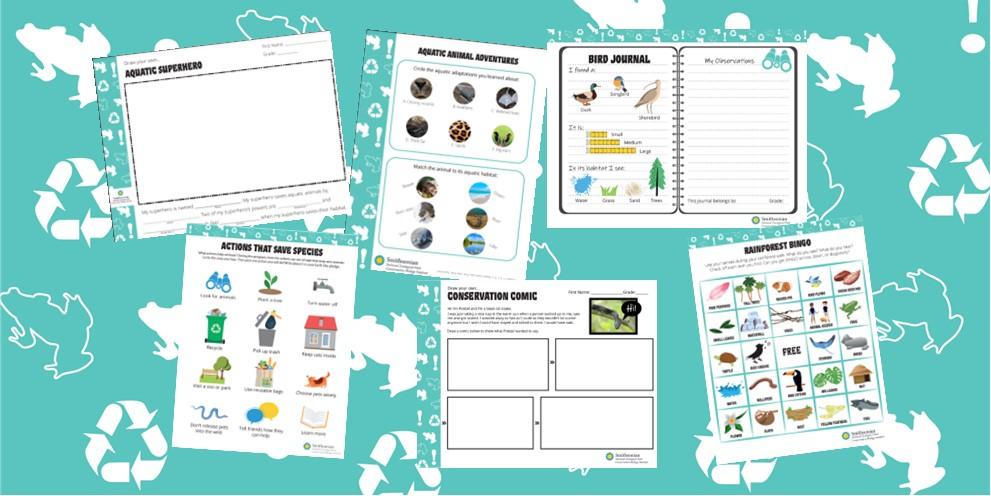
Synchronous and asynchronous activities to extend the lesson.


Engage - Virtual Program Details:
- Designed for all audiences, from individual students to large groups or schools.
- Webinar-styled; Participants’ audio and video will be off.
- Students can engage with hosts by using polls, emojis, Q&A, and chat.
- Students can follow along with a provided activity. Click ‘read more’ for each program to find activities and resources.

Accessibility Features:
- Wonder: Videos are in spoken English with English captions and spoken Spanish with Spanish captions.
- Engage: Programs include spoken English, spoken Spanish interpretation (simulcast), American Sign Language interpretation, and live English captions.
- Act: Activity sheets are in English and Spanish, they are compatible with screen readers, and many can be filled out electronically.
- Connect: Career videos are in spoken and captioned in English, with some available in spoken Spanish.
Want to be the first to know about education offerings at the National Zoo? Sign up for the Zoo's monthly Education Newsletter!
Upcoming Programs

Suited for Survival ›
Suited for Survival, special Halloween edition, explores animal adaptations from prehensile-tailed porcupines to super soft chinchillas. Students will learn how unique adaptations help animals survive.
Additional details
Free

What Makes a Habitat a Home? ›
From deserts to rainforests, what makes a habitat a suitable animal home? What Makes a Habitat a Home explores habitats around the world and some of the animals that live in these habitats.
Additional details

Saving Endangered Species ›
What does it mean when an animal is endangered and what can we do to help? Meet one of the National Zoo’s most endangered species and learn how staff care for these special animals.
Additional details

Explore the Rainforest ›
Fly, leap and swim along on an adventure through the Amazon Rainforest to explore the sights and sounds of plants and animals living in this unique ecosystem.
Additional details
Valen-TINY Mammals ›
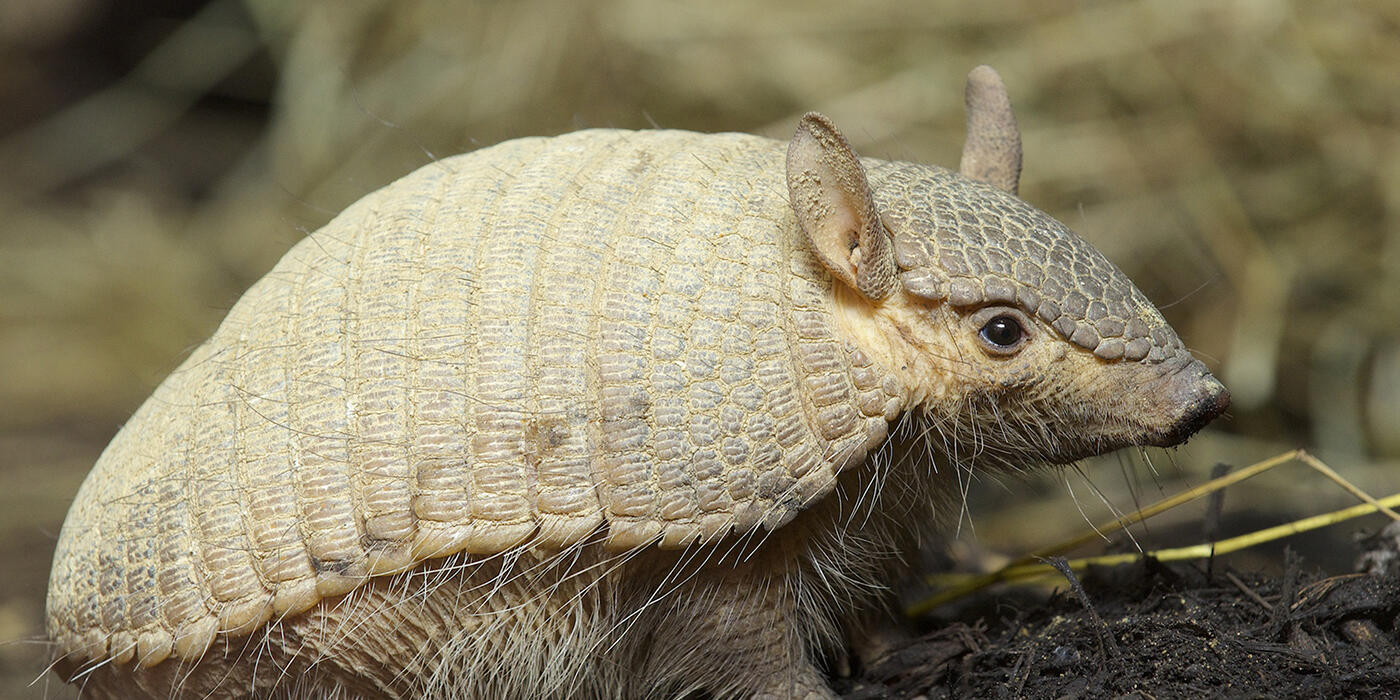
What makes an animal a mammal? Valen-TINY mammals gives students an up-close look at mammal traits from some cute and tiny zoo animals.
Additional details

Wild Medicine ›
What happens to a seal who has a toothache? How does an orangutan get a checkup? Wild Medicine invites students to Join our team of veterinarians and other animal health professionals to explore how animals go to the doctor, just like us!
Additional details
K-5
Supports NGSS K-LS1-1, 3-LS1-1, 4-LS1-1
Health, animal care, veterinary medicine
Patterns, cause and effect, systems and system models, structure and function
Free

Caring About Conservation ›
What is conservation? Why is it important? Caring About Conservation explores the meaning of "conservation," some of the animals Smithsonian scientists are trying to save, and what we can all do to protect wildlife.
Additional details
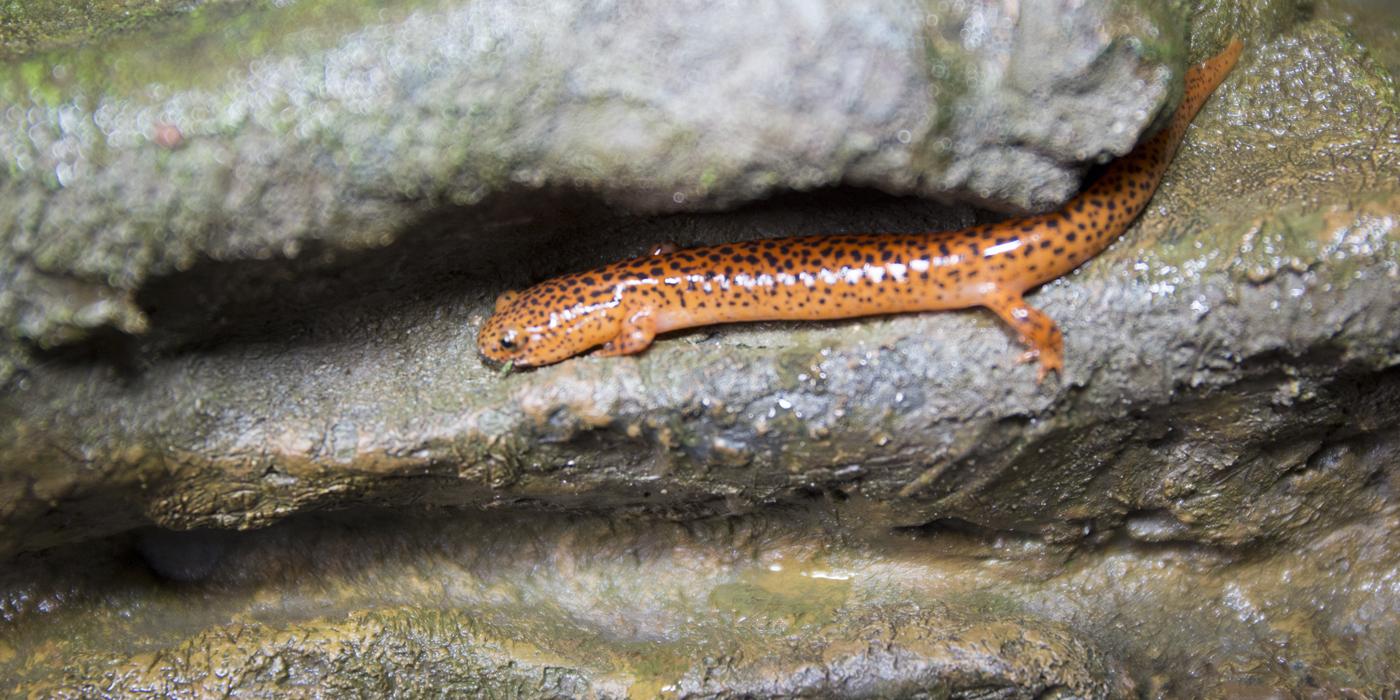
Discovering Amphibians ›
Join us as we celebrate Amphibian Week. Learn about amphibians, get an up-close look of some of them and chat with an amphibian expert.
Additional details
Cause and effect, patterns, systems and system models

Animal Engineers ›
Animal engineers explores nature’s engineers. Learn how animals reshape their habitat to meet their needs and make a positive impact on the ecosystem.
Additional details
K-5
Supports NGSS K-LS1-1, K-ESS2-2, K-ESS3-1, K-ESS3-3, 2-LS2-1, 2-LS4-1, 3-LS4-3
Engineering, habitats, adaptations
Patterns, cause and effect, systems and system models
Free
See the Education Programs Calendar for a list of all Zoo programs.
Past Programs
Choose a program, then click "Explore Resources" to view the collection of videos and activities
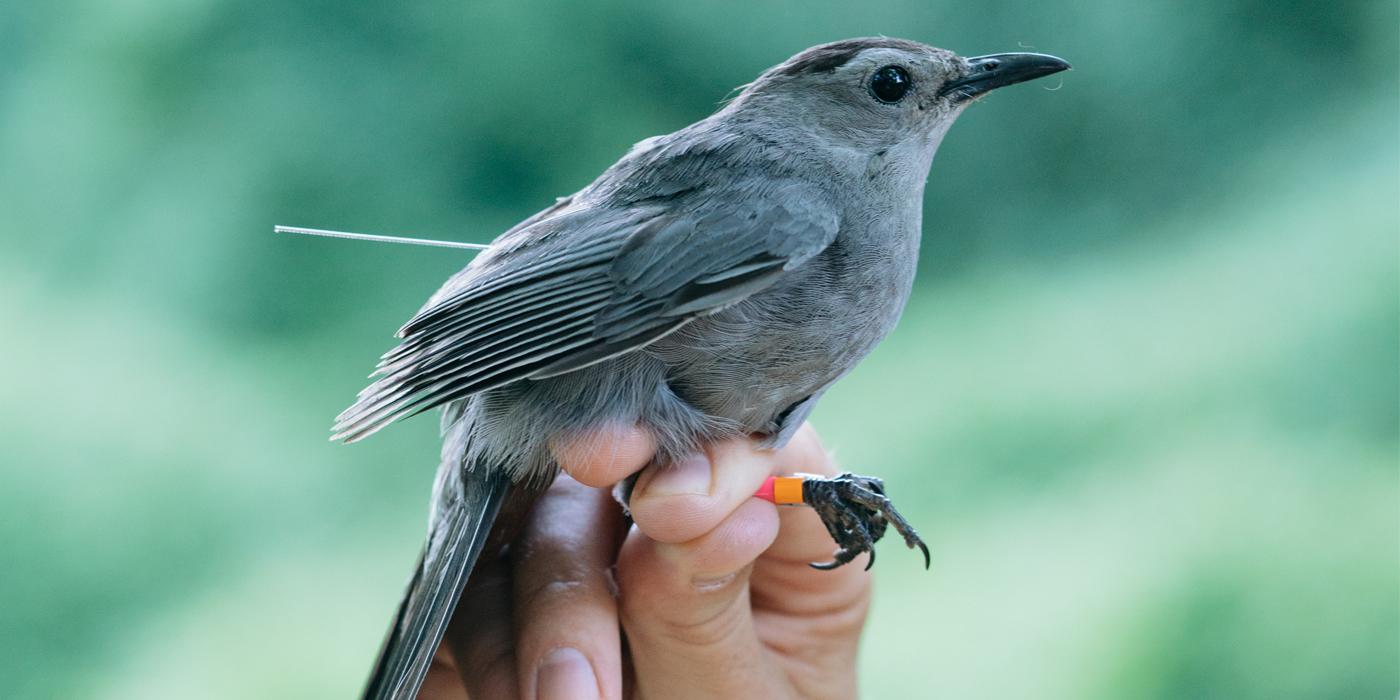
Exploring Neighborhood Birds ›
Birds are everywhere! Learn about some of our neighborhood birds and the techniques used to study them from a migratory bird scientist.
Additional details
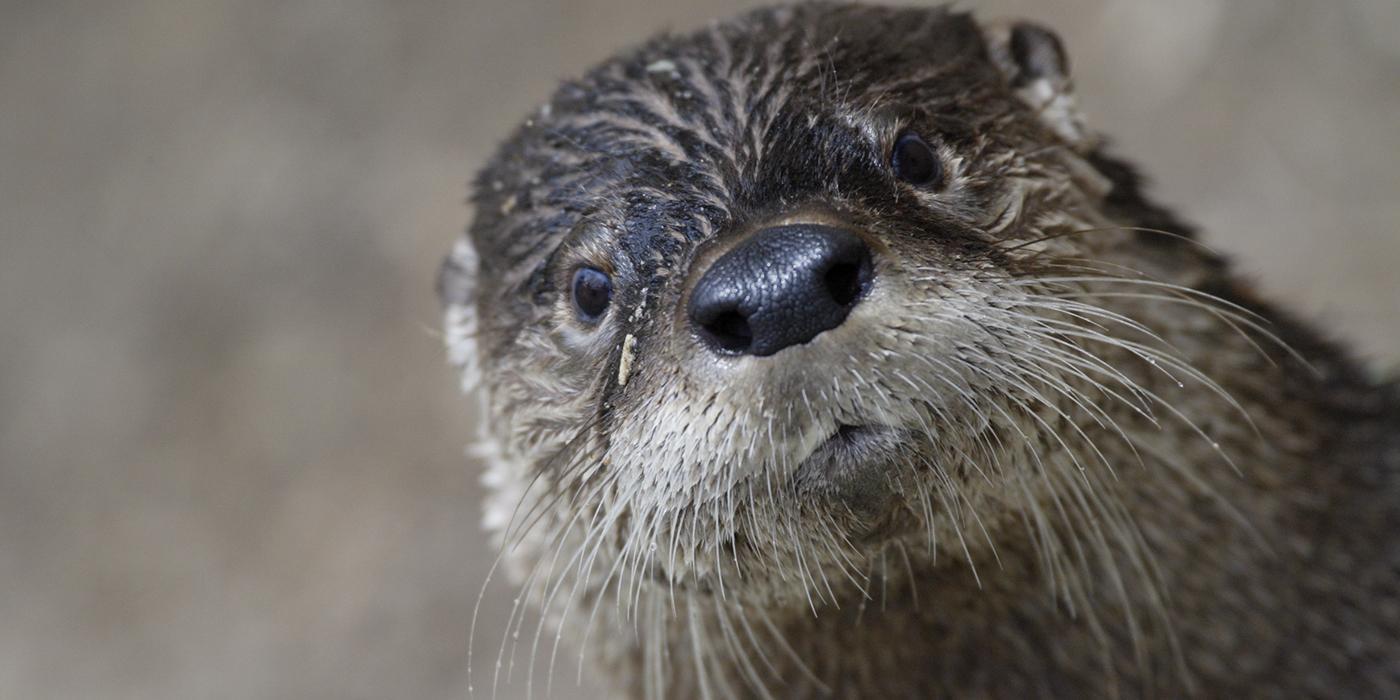
Exploring Ecosystems with Otters ›
What is an ecosystem and how does otter poop tell us how healthy an ecosystem is? Join us as we visit the Smithsonian’s Environmental Research Center to explore otters who live in the Chesapeake Bay.