
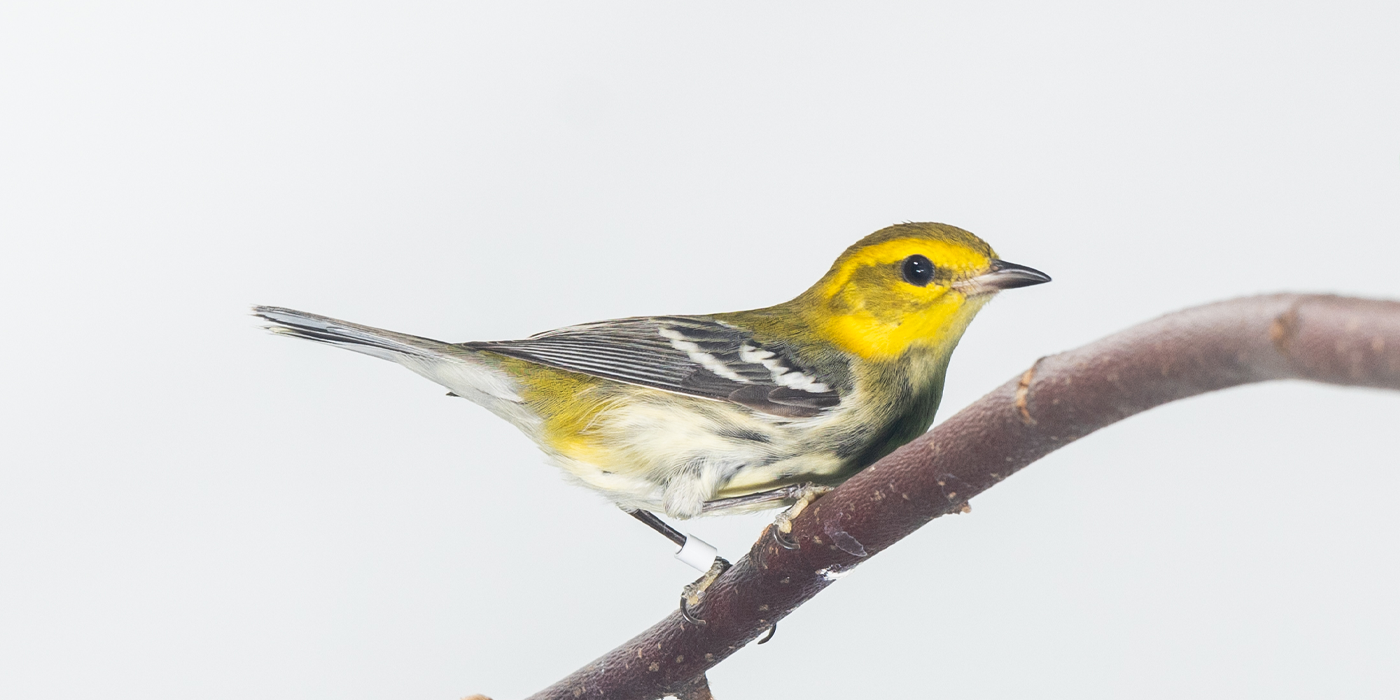
Physical Description
Size
Native Habitat
Deep inside northern forests with a mix of coniferous and broad-leafed trees. They make migratory stops in wooded areas and winter among mountain forests.
Lifespan
Communication
Food/Eating Habits
Sleep Habits
Reproduction and Development
Males are the first to arrive at the forest breeding grounds, claiming their territory through song and by repelling other males until the females arrive a week later. Males and females work together to build cup-shaped nests made from twigs and grasses, usually in conifer trees and often fairly close to the ground. Females lay three to five eggs per clutch, which are incubated for about two weeks before hatching. Both parents, but mostly the mother, feed the babies right after hatching. Once the babies grow feathers, the parents are rarely seen together, each one splitting up care for half of the fledglings until they are ready to leave the nest after a month.
Conservation Efforts
Help this Species
Be a smart consumer. Choose products made with sustainable ingredients, such as Smithsonian certified Bird Friendly coffees, which support farmers striving to limit their impact on wildlife and habitat.
Practice ecotourism by being an advocate for the environment when you’re on vacation. During your travels, support, visit or volunteer with organizations that protect wildlife. Shop smart too! Avoid buying products made from animals, which could support poaching and the illegal wildlife trade.
Be a responsible cat owner, and keep cats indoors or under restraint when outside. Never release animals that have been kept as pets into the wild.
Support organizations like the Smithsonian’s National Zoo and Conservation Biology Institute that research better ways to protect and care for this animal and other endangered species. Consider donating your time, money or goods.
Conservation starts with you! Join a citizen science project where you can help collect valuable data for scientists. Encourage your friends and family to get involved too.
Plant native flowers in your garden to help feed resident and migrating pollinators. You'll make your lawn beautiful and help wildlife at the same time!
Smithsonian's National Zoo and Conservation Biology Institute. (n.d.). Black-throated green warbler. Retrieved September 14, 2026, from https://www.nationalzoo.si.edu/index%2Ephp/animals/black-throated-green-warbler
Animal News

Happy 5th Birthday, Qing Bao ›
To celebrate giant panda Qing Bao's birthday, keepers went "far out" and created a 1970s-themed fête full of bright colors and iconic pop culture slogans.

See These 5 New Animals at Your Next Visit to the Smithsonian's National Zoo ›
From a spunky new sloth to a dazzling electric eel, get ready to meet the newest residents making themselves at home.

Happy 50th 'Zooniversary' to Chyna and Rulon, the Zoo’s Aldabra Giant Tortoises ›
There are plenty of objects and artifacts at the Smithsonian that are old. But at the National Zoo, there's not much older than Rulon and Chyna.