

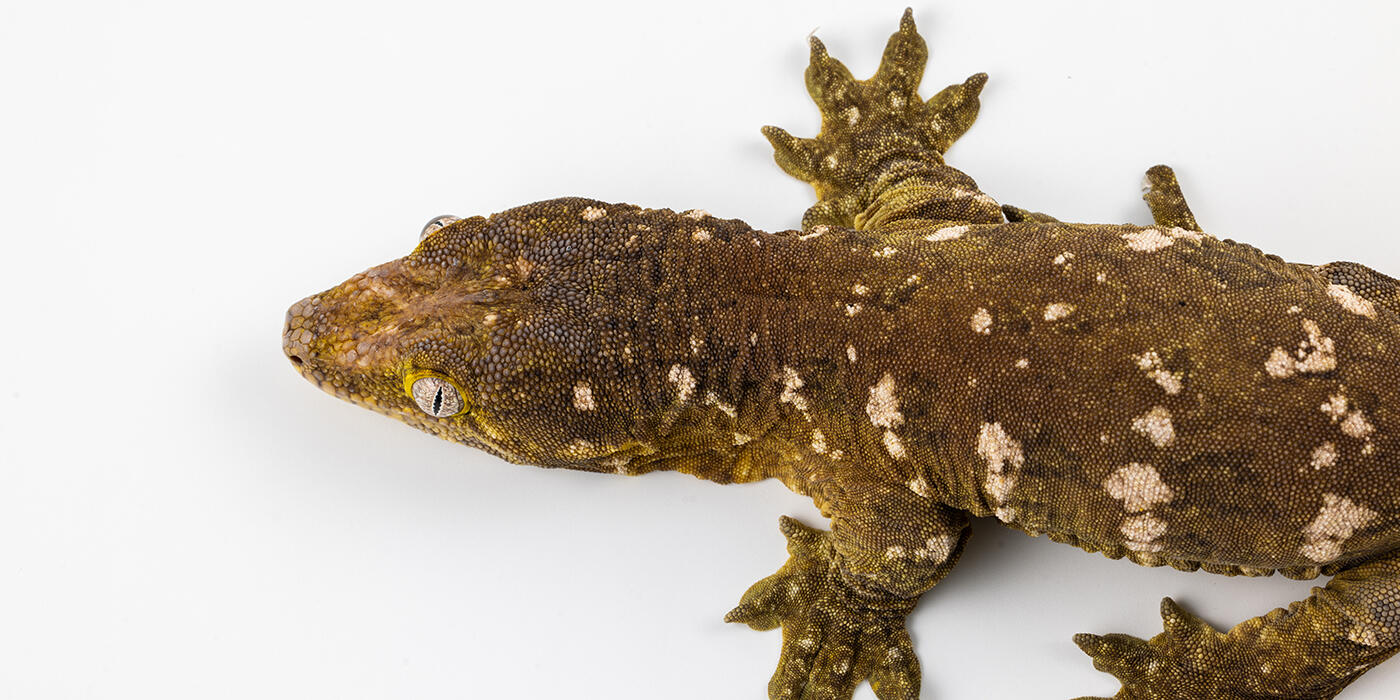

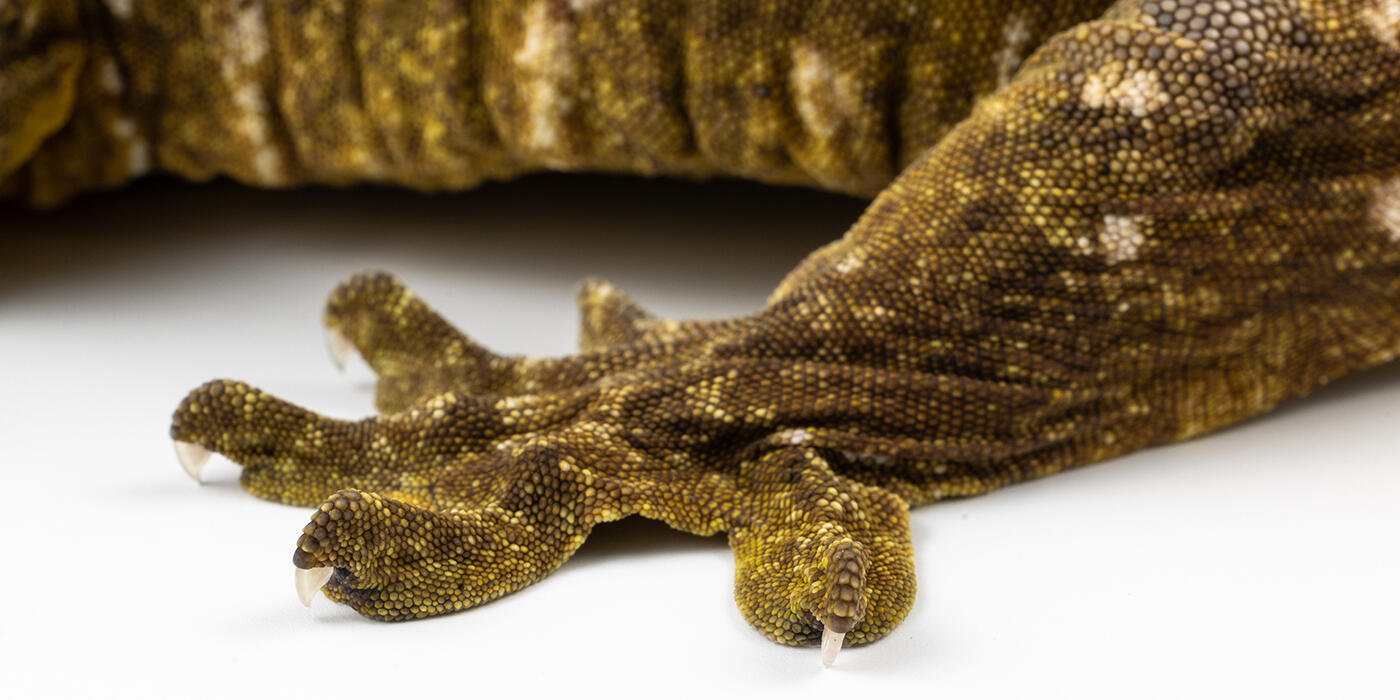
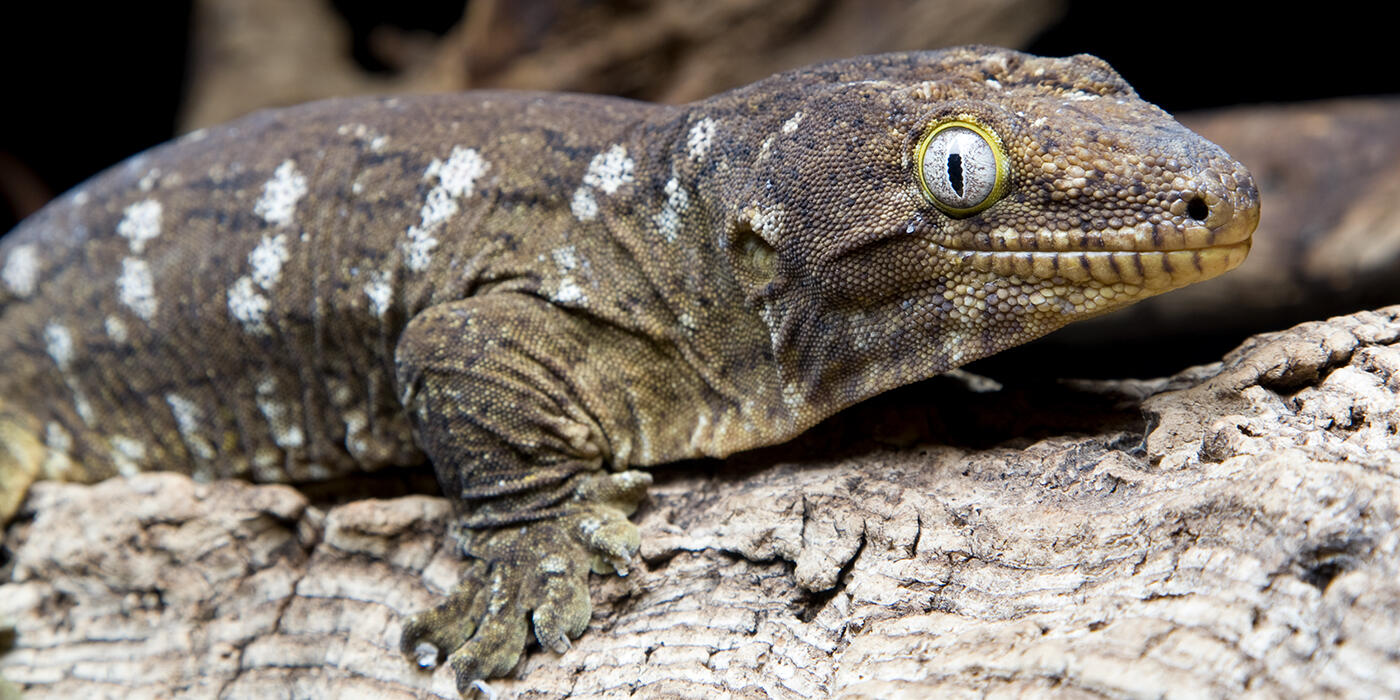

Physical Description
Size
Native Habitat
Lifespan
Food/Eating Habits
Reproduction and Development
Conservation Efforts
New Caledonian geckos are listed as a species of least concern by the International Union for Conservation of Nature's Red List, as of a 2011 analysis.
Habitat disruption is a primary concern for their long-term survival. Predation by introduced rodents and cats, as well as the introduction of a species of fire ant, has also affected gecko populations, as has illegal collection for the pet trade.
Currently, the New Caledonian gecko's population has been deemed stable, and they are thought to have a wide distribution. Though wild populations of these geckos are not directly managed, they can be found in multiple protected areas and reserves within their native habitat.
Help this Species
Be a smart consumer. Choose products made with sustainable ingredients, such as Smithsonian certified Bird Friendly coffees, which support farmers striving to limit their impact on wildlife and habitat.
Choose your pets wisely, and do your research before bringing an animal home. Exotic animals don’t always make great pets. Many require special care and live for a long time. Tropical reptiles and small mammals are often traded internationally and may be victims of the illegal pet trade. Never release animals that have been kept as pets into the wild.
Are you a student? Did you love what you learned about this animal? Make it the topic of your next school project, or start a conservation club at your school. You'll learn even more and share the importance of saving species with classmates and teachers, too.
Smithsonian's National Zoo and Conservation Biology Institute. (n.d.). New Caledonian gecko. Retrieved August 21, 2026, from https://www.nationalzoo.si.edu/animals/new-caledonian-gecko
Animal News

Three Adorable Red Panda Cubs Born This Summer at the Zoo’s Front Royal Campus ›
“The cubs are really just balls of fur that eat and sleep right now,” said Jessica Kordell, assistant curator of carnivores.

How Smithsonian Science Is Helping the Scimitar-Horned Oryx Recover — and Thrive ›
Once pushed to the brink of extinction, the oryx is becoming one of conservation's most inspirational stories.

11 Fascinating Facts About the Hellbender, North America’s Largest Amphibian ›
Hiding in Appalachia’s cool mountain streams is one impressively large salamander.