Biography
Anna Feistner is a research associate at the Center for Conservation and Sustainability. Previously, she served as the Director of the Gabon Biodiversity Program, based in southwestern Gabon. The Gamba Complex of Protected Areas is exceptionally rich in biodiversity, home to threatened and protected species such as forest elephants, great apes, and marine turtles, all coexisting alongside oil and forestry concessions and local communities. During her tenure, Feistner worked with a local staff team and a wide range of government, NGO, and private‑sector partners to support conservation, reduce human–wildlife interactions, and promote ecological integrity across the landscape. The Gabon Biodiversity Program has since concluded, with its remaining activities and collaborations transitioned to the local team, who continue advancing its mission.
Feistner's projects have included:
- Minimizing the risk of biodiversity exploitation, understanding protein consumption preferences, and monitoring protected species
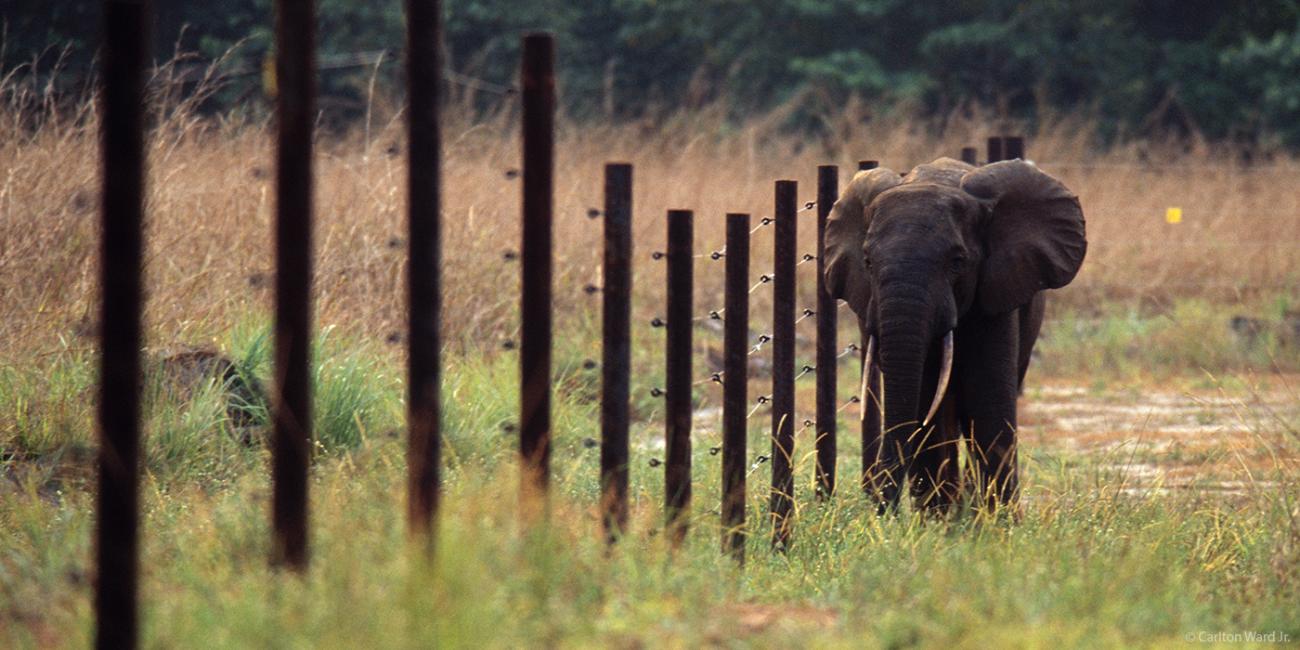
- Using best practices to mitigate site-specific wildlife risk (especially from forest elephants)
- Avoiding and minimizing habitat loss by changing agricultural practices to reduce deforestation and understanding the socioeconomics of slash-and-burn farming
- Supporting sustainable development goals through a programme of environmental education in primary schools, training, outreach and partnerships
- Promoting the value of the Rabi Forest Monitoring Plot (ForestGEO) and contributing to protecting ecosystem services
Feistner has extensive experience working in biodiversity-rich yet economically poor countries and played an important role in the inscription of the Sangha Tri-National (TNS) transboundary conservation complex (Central African Republic, Republic of Congo, Cameroun) in the northwestern Congo Basin as a Natural World Heritage Site. In Madagascar, she led the institutional strengthening of a Research and Conservation Training Centre in the eastern montane forests, working to support the survival of endangered fauna, especially lemurs, and supporting local communities.
Feistner completed her bachelor's degree in zoology before working on captive cotton-top tamarins for her Master of Science. She worked with wild great apes in central Gabon before undertaking a doctorate on the social behavior of semi-free ranging mandrills in southwest Gabon. Feistner was the head of research and then the head of species conservation at the Durrell Wildlife Conservation Trust (Jersey Zoo) for 14 years, working on both in-and ex-situ conservation of endangered fauna, including on Indian Ocean islands, Madagascar, Sulawesi and in Brazil’s Atlantic Forest. She then moved to Madagascar for five years to work in conservation, before acting as principal technical advisor to the government in a large protected-area complex in the Central African Republic.